Off-highway controls · Diagnostics and internal tools
ChristianGaya
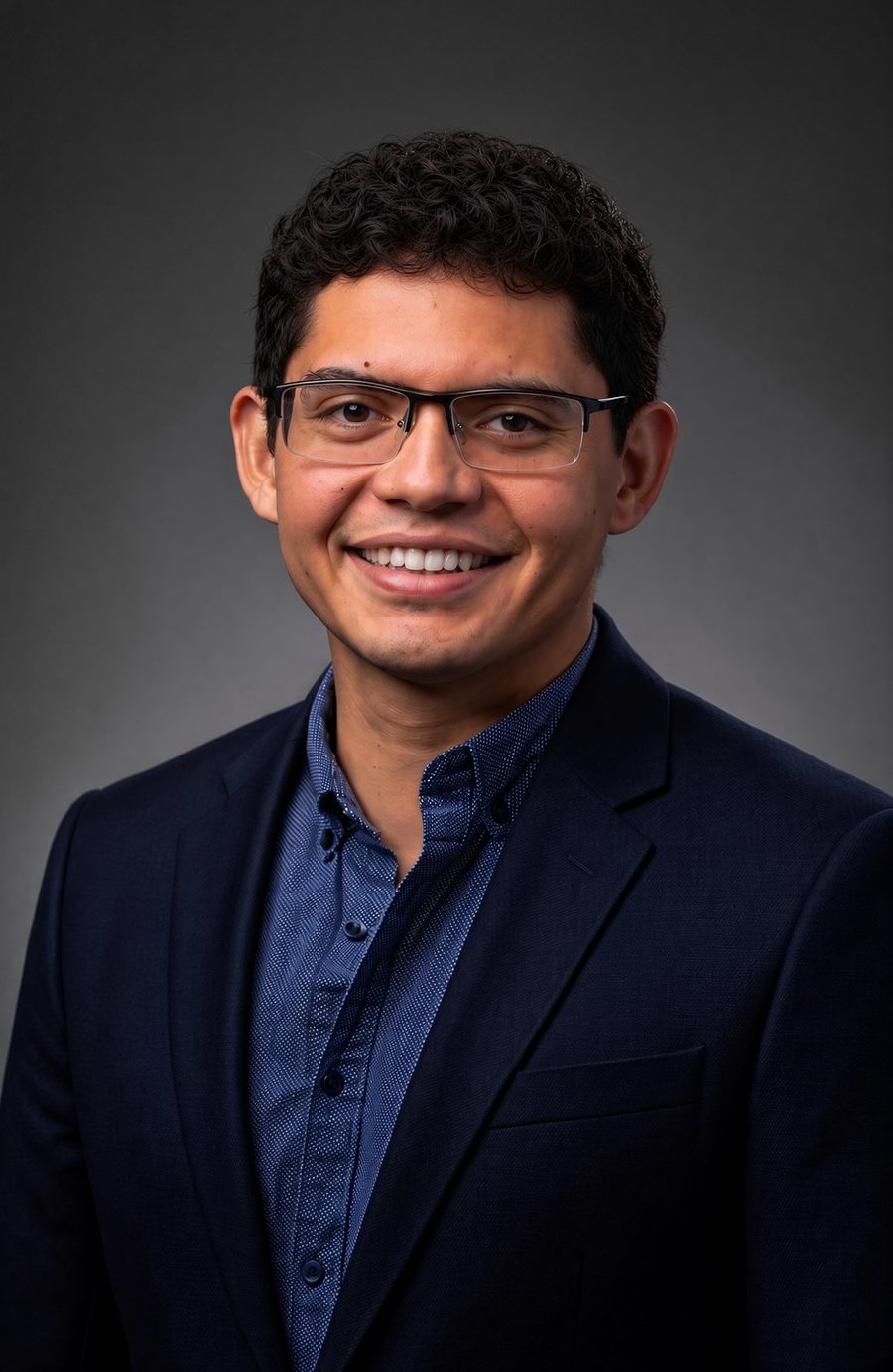
Christian Gaya, Controls Lead, X15
I work field issues from the first report through to an answer. I build tools around our teams' needs so that work does not get stuck in someone's inbox.
Controls Lead, X15 · Datalinks SME · Cummins Inc. · Naples, FL
7Years in off-highway controlsJul 2019 to present · Cummins Inc.
600+600+Team field issues overseen since 2020Team-level · through the application support process
107107Support tickets I personally ownedCurrent system · all Closed Complete
3Internal tools built for engineering teamsOFC Assist · Zenith Tracker · Trace Converter · one patented
01 / Who
What I actually do
I work at Cummins in Off-Highway Controls as Controls Lead for X15. I previously led B4.5. My weeks are filled with new issues, new requirements, shifting schedules, and resource coordination. That has trained me to handle ambiguity and put the business-critical needs first.
The rest of the job is owning the controls side of the program. I am accountable for milestones on products that are going to be released in the future, for delivering quality, and for staying in step with regulations that keep changing. I work across functions, oversee the process, and keep the program executing: new features, ECM transitions, and enough visibility that people can see where the work actually stands.
Since 2020 I have led the application support process: how issues get triaged, who owns them, and when they need to escalate. I personally owned 107 of those support tickets. That process has covered more than 600 field issues. Separate from that, I own Datalinks SME work across programs. I have also mentored two controls engineers and a co-op within our engineering organization.
The tools came out of that work. I proposed Trace Converter, then worked with our team to turn the concept into a tool that replaced hours of manual CAN trace analysis. Our work received a patent. Zenith Tracker replaced scattered email and spreadsheet tracking. OFC Assist put the day-to-day references our engineers actually use into one working tool.
Designed and deployed it. The team uses it for troubleshooting lookups.
Our engineers were jumping between J1939 tables, fault lists, Calterm data, service documents, and the rest of what they need day to day. OFC Assist puts that material in one working desktop app. Getting into the other internal tools was slow and complicated, with login and connection issues. I integrated with MCP so we had one seamless path and a direct connection to the databases. That had a direct impact on the diagnostic presentations and materials that helped our work.
PGNs
3,212
SPNs
33,179
Indexed faults
1,639
Parameters
35,516
Warm launch
2.3s to 0.9s
Autocomplete
about 1 ms
Fig. 3 · Zenith Tracker · illustrative render
02 · Alpha through beta
Zenith Tracker
Stack
Excel VBA · Outlook automation · Role-based routing
My role
Piloted it through alpha and into beta.
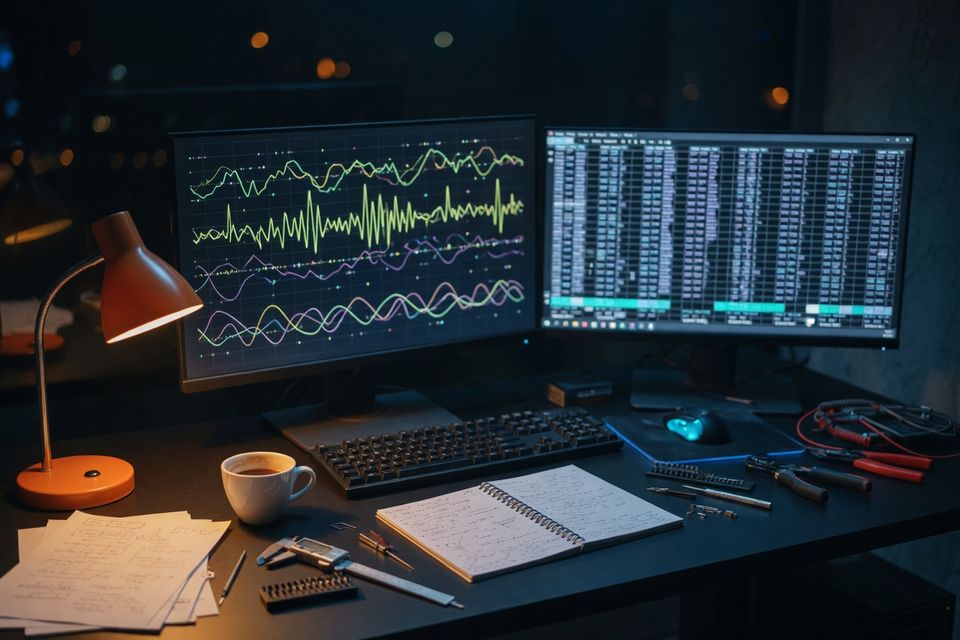
Work used to live in inboxes and one-off spreadsheets. Zenith Tracker keeps program tasks, owners, deadlines, notifications, and history in one workbook. During the pilot I closed more than 30 enhancement and defect items and took 11 formal feedback submissions from users.
Code lines
about 7,310
Procedures
338
UserForms
8
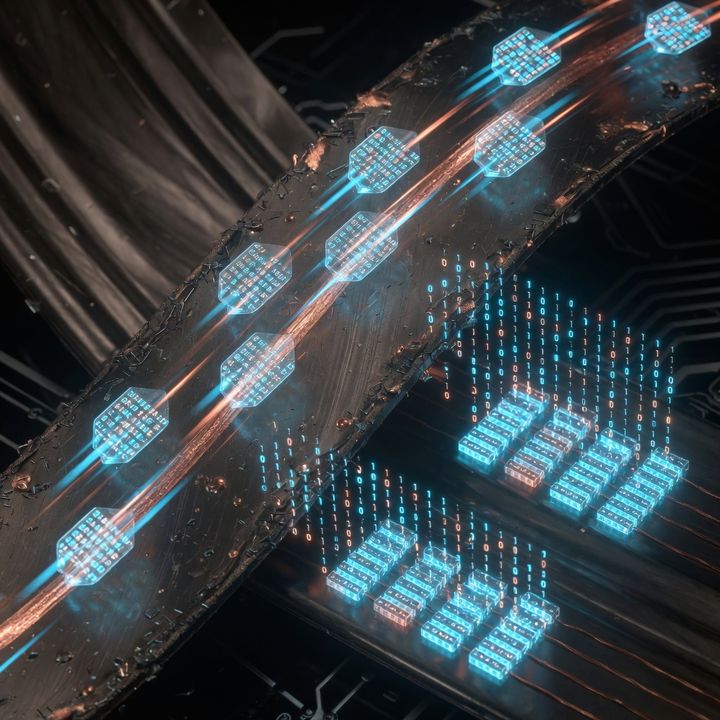
Fig. 4 · Trace Converter · illustrative render
03 · Concept to deployment · Patented
Trace Converter
Stack
VB.NET · Windows Forms · Git · J1939 / PCAN
My role
Proposed the concept and led development with the team through testing and deployment.
I proposed Trace Converter to solve a slow, expert-only workflow. As lead developer, I worked with a talented team whose different strengths shaped the build, testing, and deployment. We completed it without AI coding tools. Reading PCAN traces against J1939 used to take hours of hand work: bit order, SPNs that sit across two bytes, PDU1, and TPCM. With a J1939 trace, we can get a heartbeat in minutes and check the features and documentation we say we support against what is actually on the bus. The team's work was patented.
Of manual analysis replaced
Hours
Heartbeat from a J1939 trace
Minutes
Received for this work
Patented
Fig. 5 · CAN_H and CAN_L, schematic · not a captured trace
04 / Work
Work history
to present, Cummins Inc.
Controls Lead, X15
Currently lead controls development for X15. Previously led B4.5. I own the controls side of the program: milestone schedules, quality, changing regulations, new features, ECM transitions, and deliverables across development, integration, and field test. I keep cross-functional teams aligned when priorities change.
Designed and deployed OFC Assist. The team uses it for troubleshooting lookups. Engineers still review the result and decide when to escalate.
Lead the recurring off-highway application support forum. I still support Datalinks SME work after handing off day-to-day SME leadership.
to
Controls Technical Specialist
Led application support with visibility across 600+ team field issues since 2020. I personally owned 107 current-system tickets, all Closed Complete. Median calendar close was about 8 days, and 93% closed within 30 days.
Coordinated U.S. and India coverage with the UK Controls team. Built Level 1 to 3 RACI escalation into the daily process.
Piloted Zenith Tracker through alpha and into beta. Mentored two new controls engineers, onboarded two support engineers, and supported an IQA field activity.
Served as Datalinks SME lead for a five-person team through a major staffing transition. Built a succession plan, shared expertise across the group, and handed off day-to-day ownership without missed delivery.
to
Senior Controls Engineer, Electronic Systems Product Engineering
Datalinks SME: change analysis, test analysis, calibration analysis, RDE/MDL diagnostics, and write-ups the next program could reuse.
Proposed Trace Converter and led development with the team through testing and deployment. The team's work was patented.
Worked between Application Engineers and controls and calibration SMEs. Isolated hardware vs calibration issues and used bench tests on field problems.
to
Controls Engineer
Rotational program across calibration, software, the Komatsu OEM team, Features, and applied controls.
Joined application support when it started in 2020. That is where the J1939 and Datalinks work began that later became SME ownership.
to , Cummins Inc.
Internship, Nissan Controls Team
Wrote high-rate CAN acquisition scripts and analysis for concatenation, limit, misfire, and special diagnostics on CANape field data. Presented to controls leadership.
Appendix / Ask
Ask the record
Checking
Answers are generated from a brief Christian wrote from his resume and evidence. If something is not in the record, it says so. The resume PDF is the record.
Grounded answers about Christian's work, drawn only from his resume and evidence brief. If it is not in the record, it says so.
Runs on Cloudflare Workers AI. Answers may be imperfect. For anything about hiring or availability, email cgayapro@gmail.com.
05 / Contact
Get in touch
If you want to talk about controls, diagnostics, field support, or the tools, email me.